


Compass International Holdings and Rocket Companies just announced a “three-year strategic alliance” that could materially shift where buyers see inventory.
Under the agreement, Compass’ “‘Coming Soon’ listings will immediately appear on Redfin, with ‘Private Exclusive’ properties to follow.” The companies say the move has the potential to bring more than 500,000 additional listings to Redfin.
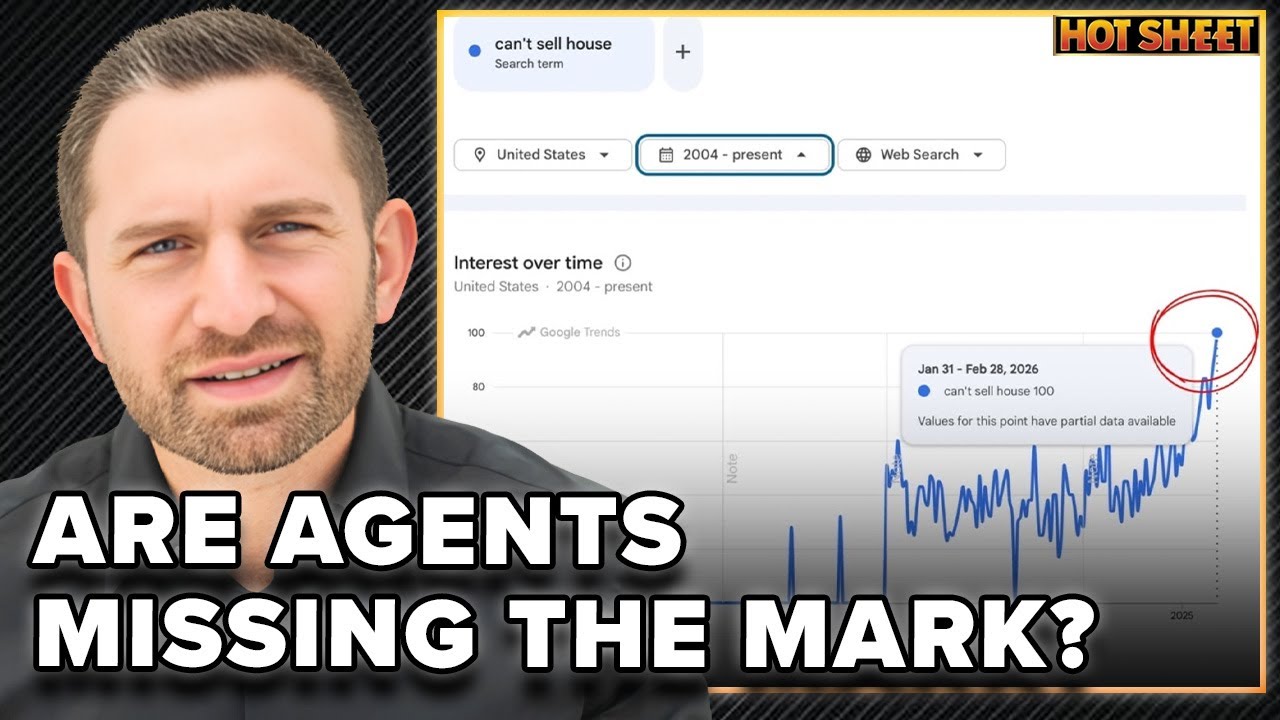
Byron Lazine broke down some initial reactions on this morning’s Hot Sheet:
Why Now?
Compass has spent the past year doubling down on its pre-market strategy, giving sellers options to test pricing and demand before going fully live on the MLS.
That approach has not been without controversy. Industry debates around transparency, cooperation, and listing control have intensified, particularly as brokerages navigate post-commission lawsuit policy shifts.
Now, instead of keeping that early-stage inventory contained inside its own network, Compass is extending visibility through Redfin’s consumer traffic. Redfin projects nearly 2 billion visits in 2026.
Robert Reffkin, Chairman and CEO of Compass, shared his vision:
“We believe listing agents should be connected directly with interested buyers, and sellers should have the freedom to list their homes in the manner and method they choose without fear of misleading insights that damage its value. Now, our real estate professionals can give sellers the choices they deserve, with increased exposure to 60 million potential buyers.”
The Rocket Layer: Financing Inside the Funnel
Rocket Mortgage will be embedded into Compass’ proprietary platform, in efforts to create a more integrated search-agent-mortgage experience.
Varun Krishna, CEO of Rocket Companies, stated:
“When barriers are removed and supply grows, affordability improves. Today’s challenge is friction in the homebuying process and a lack of inventory. By bringing search, agents and financing into one connected platform, we can help more sellers enter the market, reduce complexity for buyers and make homeownership more attainable.”
The partnership also includes affordability incentives for Compass clients, including:
- A one-percentage-point rate reduction for the first year
- Or up to $6,000 in lender credits
Vertical integration continues to be a defining theme in the industry. Search, brokerage, and financing are increasingly being stitched together to reduce friction in the transaction process.
The Broader Strategy
The announcement also lands amid a period of structural change for Compass.
Following its merger with Anywhere Real Estate in January, Compass International Holdings now includes brands such as Coldwell Banker, Sotheby’s International Realty, CENTURY 21, and Better Homes and Gardens Real Estate, among others.
The merger, however, is under scrutiny, with lawmakers concerned that it could reduce competition and raise housing costs.
According to Redfin, this alliance is not about keeping listings off the MLS. Listings on Redfin are publicly marketed in compliance with MLS rules on platforms reaching 60 million monthly visitors. None are hidden from buyers.
The overarching message is that this is about flexibility in internet distribution and phased marketing, not dismantling MLS cooperation.
Redfin positions the move as pro-consumer, pro-seller choice, and ultimately pro-inventory.
What This Means for the Housing Market
Zoom out and this move is about leverage.
Compass is expanding how it stages listings into the public eye, and Redfin is expanding what buyers can access inside its ecosystem. That combination could shift attention, traffic, and deal flow toward platforms that control both exposure and experience.
Depending on the final outcome of the DOJ’s investigation into the Compass-Anywhere merger, this alliance could either reinforce a more concentrated power structure or accelerate competitive responses from other brokerages and portals trying to protect distribution share.
If all goes to plan:
- For sellers, phased marketing becomes a more normalized strategy.
- For buyers, early access becomes a competitive tool.
For agents, listing strategy is no longer binary, MLS or not. It is layered, timed, and platform-driven.
The broader takeaway is structural. As search, brokerage, and mortgage continue tightening under fewer umbrellas, the housing market will be shaped as much by platform control as by supply and rates.