A lot of people have been waiting for a housing market crash. AGNT, Inc. CEO Leo Pareja says it happened three years ago, but it didn’t show up as plummeting prices. Pareja explained:
“The collapse already happened three years ago. It happened in the transaction count.”
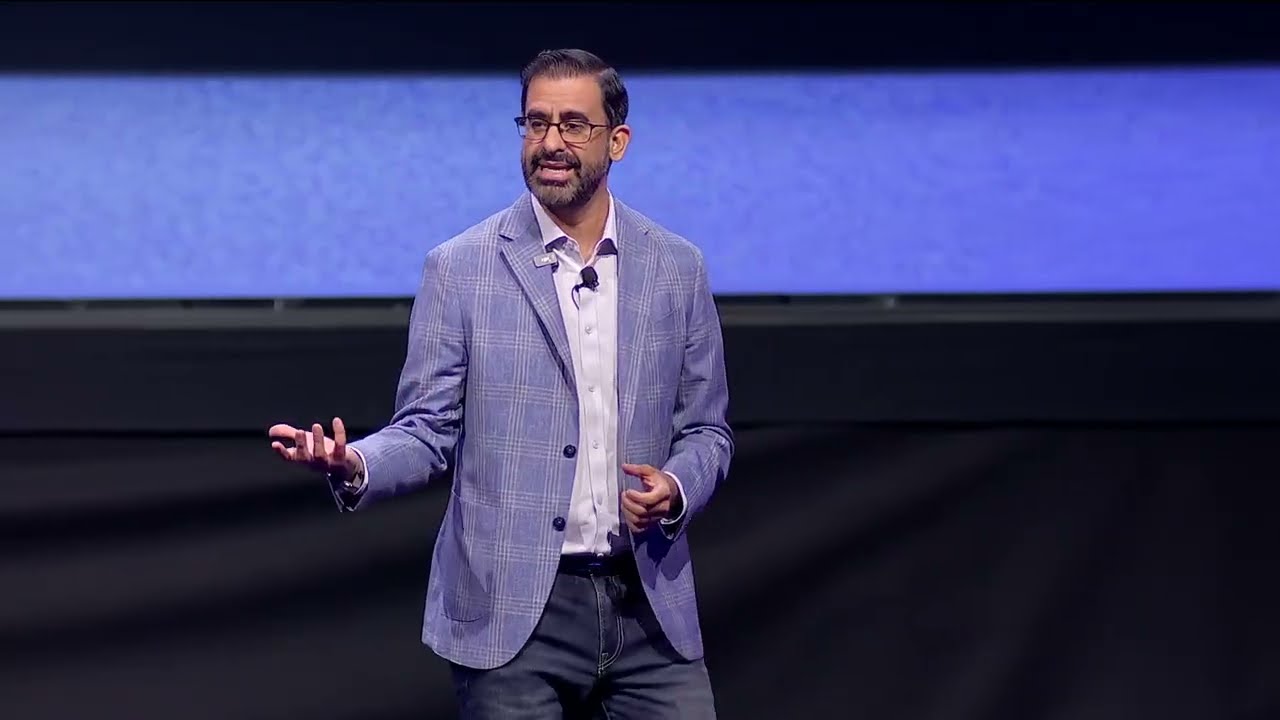
Pareja shared the housing data, along with the population math, behind his outlook in a keynote at eXpcon 2026 in Salt Lake City last week. From there, he covered where he sees mortgage rates and home prices heading, along with where agents can find business next year.
Let’s dive in.
The Collapse in Home Sales
When speaking about transaction counts, Pareja told agents the crash they keep waiting for is behind them.
“I’ve been telling agents for months, winter is here. Anyone else feel like the whole world is waiting or worried about the collapse? The collapse already happened. It happened in transaction count. Look at the graph. 1996, we sold 4 million homes. But you’re forgetting an important part of that math problem. The population in the United States back then was 269 million. And this year we’ll sell about 4 million homes again with 342 million.”
So the country has 73 million more people than it did in 1996, and it’s selling around the same number of homes. The collapse Pareja is talking about is the stretch since 2023, when sales have hovered around 4 million a year.
He traced it back to two boom periods, when low rates and frantic demand pulled in buyers who would have bought down the road. Those buyers are gone from today’s market.
Pareja said the booms changed what the industry thinks a normal year looks like.
“Two record-breaking booms warped our expectation. They stole tomorrow’s buyers with low interest rates and a frenzy that we’re just sitting through the hangover of.”
Why Pareja Doesn’t Expect Lower Rates or a Price Crash
Pareja told agents the industry has spent two decades measuring itself against years that weren’t normal.
“The last 20 years were so crazy because we forgot what normal looks like. I almost called this ‘anchored in anomaly’ because that’s what happened. We’ve had two extreme markets.”
He gave a few rate numbers to put those years in context:
- The Fed has cut rates to zero twice since 1954, once after the Great Recession and once during COVID-19
- 30-year mortgage rates have averaged 7.7% since 1971
- Rates this year sit below that long-run average
Pareja doesn’t see rates dropping next year. He explained that mortgage rates follow the 10-year Treasury yield, so a Fed rate cut won’t guarantee cheaper mortgages. He added that the Mortgage Bankers Association and Fannie Mae also expect rates to stay at 7% or higher in 2027.
He offered a blunt prediction about which way rates could break first.
“We could see a rate with an eight in front of it, way before we see one with a five.”
On prices, Pareja pushed back on talk of a nationwide crash. Here’s where prices and inventory stand, based on the data he shared:
- National median existing-home price: $429,100, up 1.6% year over year
- Metro markets with falling prices: 54, down from 109 a year earlier
- Size of those declines: 2% to 4%, compared with 20% to 30% during the Great Recession
- Inventory growth: up 28.9% in 2025 and 5.9% in 2026, to 1.6 million listings
As he also pointed out, national numbers can’t tell your client what’s happening in their neighborhood.
“National headlines do not live on your street. Your clients need local context from you.”
Where Agents Fit in a 4 Million Sale Market
Pareja said rate lock, aka the “lock-in effect,” when owners stay put to hold on to a low mortgage rate, has a weaker grip than it did a few years ago.
He shared two stats behind that view:
- More homeowners have a mortgage rate above 6% than below 3%
- People with homes for sale right now average 8.4 years of ownership
As Pareja sees it, life events are starting to outweigh owners’ worries about giving up a low rate. And he urged agents to stop waiting for the market to change.
He closed his talk by reminding agents what they get paid to do:
“We don’t get paid to fill out contracts. We don’t get paid to coordinate parties. We get paid to help people navigate one of the most important financial decisions of their lives.”
Watch Pareja’s full 2027 housing market outlook from eXpcon 2026 on eXp’s website.