
Private chef Olivia Tiedemann had a couple thousand Instagram followers when she asked a client if she could film herself cooking in the family’s kitchen.
Within three months, she had more than two million.
Today, that audience is approximately 4.3 million, according to The Wall Street Journal.
Tiedemann is part of a growing class of practitioner-creators who didn’t build an audience by becoming influencers and then choosing a topic. They became influential by showing people the work they were already doing, whether that’s cooking meals, renovating homes or fixing plumbing.
For real estate agents, the takeaway isn’t to post more often. It’s to stop leaving the most valuable parts of the job off-camera.
The Gary Vee Playbook
Gary Vaynerchuk has been saying this for at least a decade: “Document, don’t create.”
His point has never been that creativity no longer matters. It’s that people often waste time trying to manufacture an influential persona when the more compelling story is already happening around them.
Instead of constantly inventing lessons to teach, document the process. Show the decisions, conversations, mistakes and adjustments that come with doing the work.
The rise of chefs, contractors and other working professionals as creators is that strategy playing out at scale. Their authority doesn’t come from looking like experts on camera. It comes from letting viewers watch them apply their expertise.
The Work Is the Content
Being able to see the work a real estate agent does behind the scenes, in real time, for real clients, is way more powerful that “Just Sold” posts.
Agents encounter these moments every week:
- Helping clients decide which repairs should be completed before listing
- Walking through a home with a stager or photographer
- Reviewing an inspection report and identifying negotiation priorities
- Explaining the pros and cons of a particular offer
- Comparing properties with a buyer
- Meeting a contractor to estimate the cost of an improvement
- Preparing a listing before its first showing
Most clients never see these parts of the job until they are already working with an agent. Documenting them gives future clients a preview of the advice, judgment and vendor relationships they would be hiring.
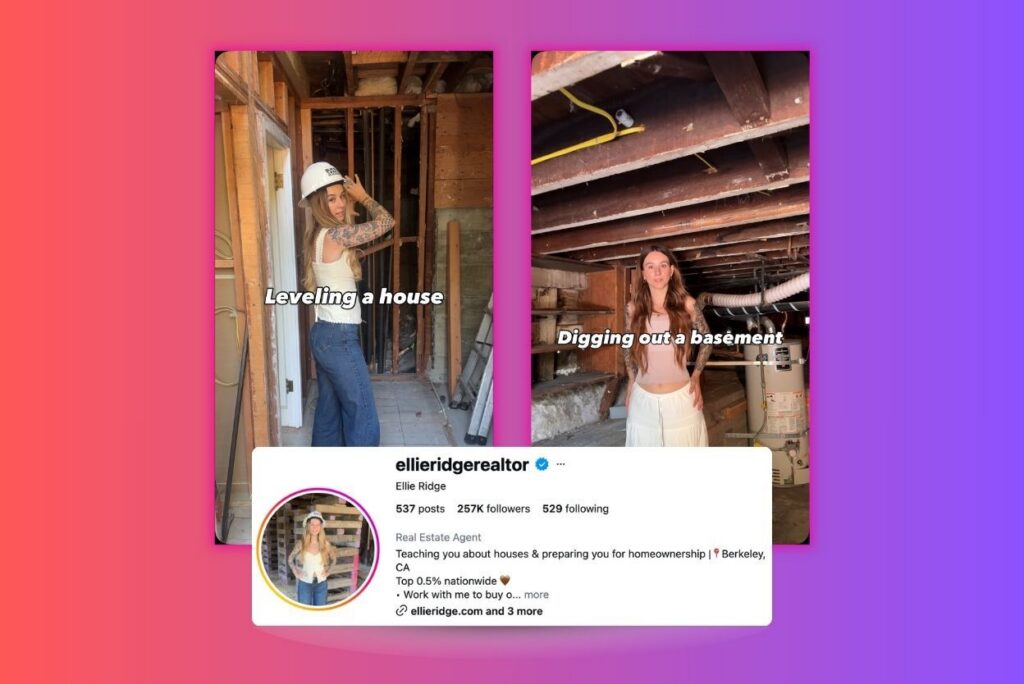
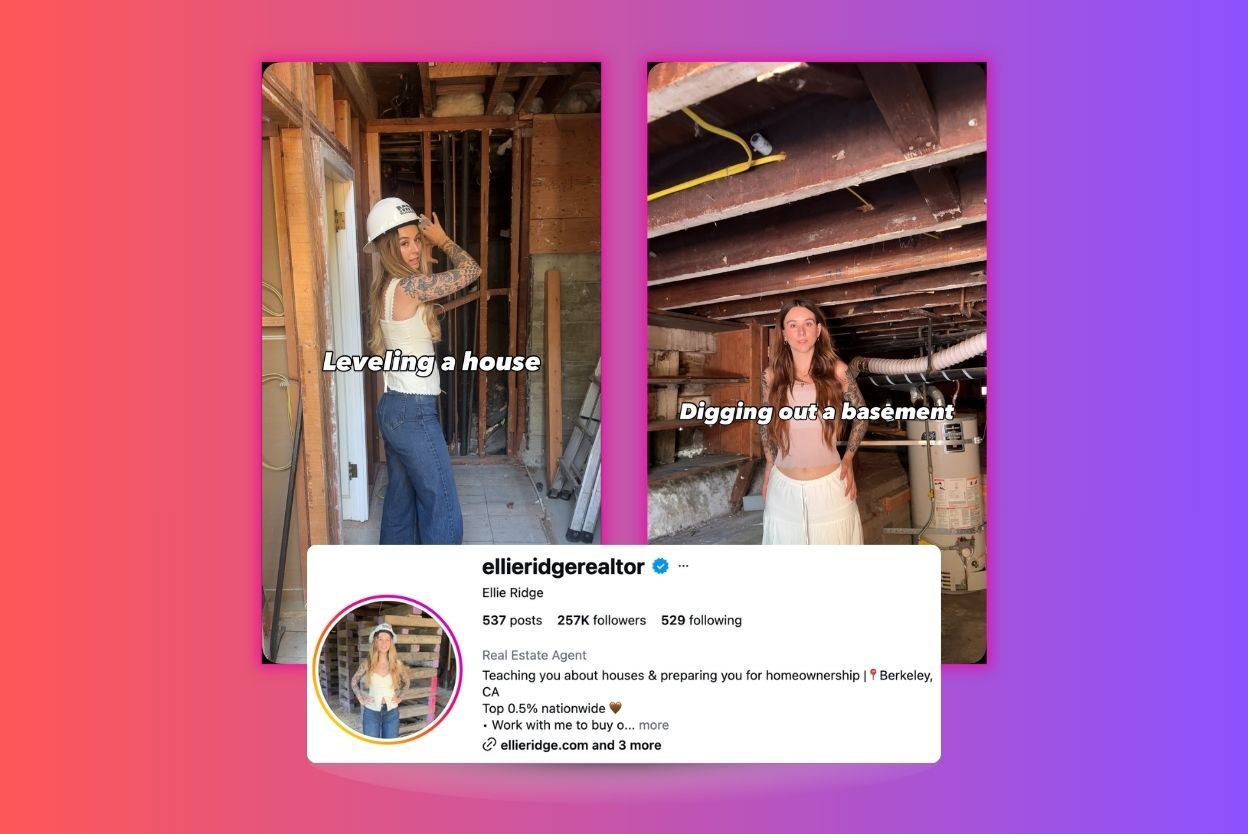
Bay Area Realtor Ellie Ridge has built her content around the things she is already noticing while touring, evaluating and preparing homes.
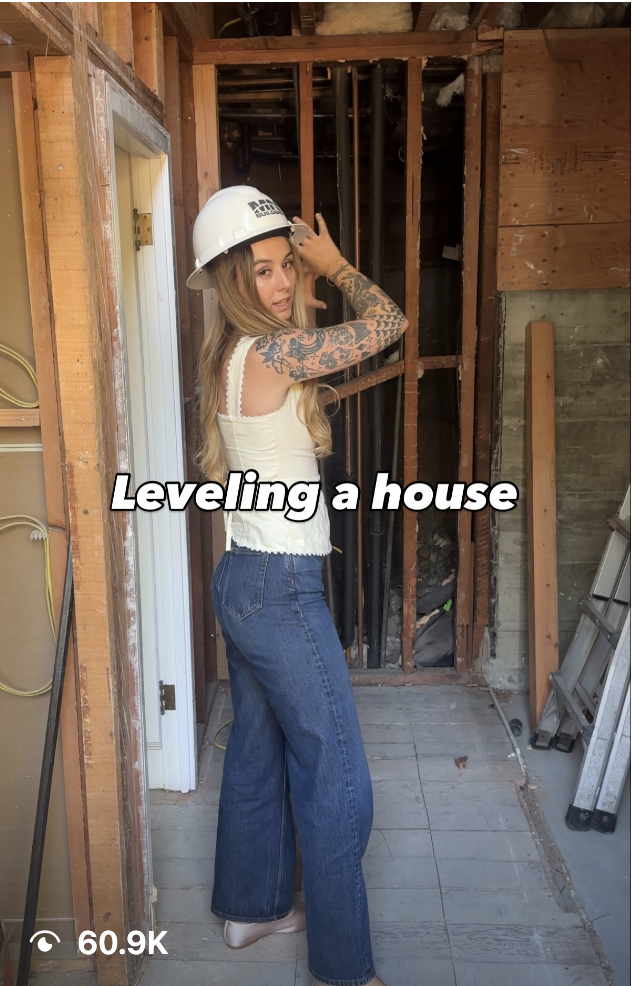
She doesn’t just tell buyers to pay attention to a property’s condition. She brings viewers into the middle of a remodel and talks about how to level a house:
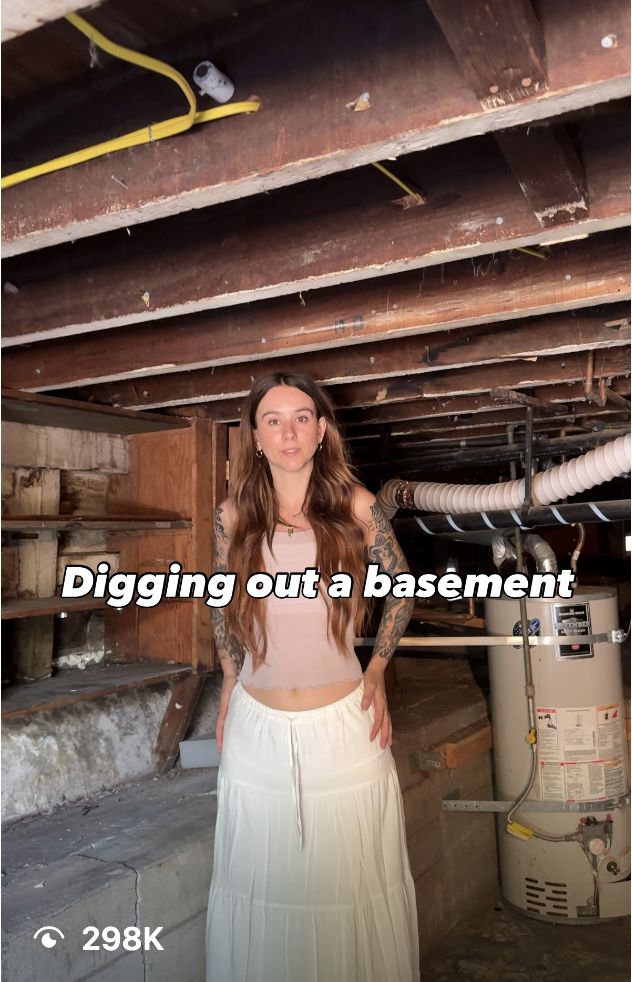
In another video, she brings viewers to a basement to explain what a bench wall is.
Her feed includes explanations of foundations, roofing materials, drainage, framing, moisture, electrical systems and the other details she encounters while working inside real homes.
That content works because Ridge is not playing the role of a real estate expert for Instagram. She is an active agent documenting what she sees and teaches while doing the job.
It also answers a question agents are hearing more frequently: What exactly does an agent do?
Permission Can’t Be an Afterthought
Documenting the work doesn’t mean filming wherever and whenever you want.
Permission to market a listing may not cover every kind of behind-the-scenes content an agent wants to create. Advertising requirements, state recording laws, brokerage policies and MLS rules can all come into play.
The National Association of REALTORS® advises agents to obtain written permission before using third-party content and notes that agents must receive permission from the listing firm before advertising another firm’s listing. NAR also warns that state licensing laws may apply to social media advertising.
How to Build Content Permission Into the Workflow
Work with your broker and/or legal counsel to create a simple, state-compliant provision or separate content release. Instead of asking clients for a blanket yes or no, give them clear choices.
A client might approve:
- Filming inside the property without showing its address
- Showing the property while keeping all people off-camera
- Including the client’s face or voice
- Posting content only after the property is listed or the transaction has closed
- Reviewing clips before publication
The form should also make it easy to decline. A client’s decision should never affect the service they receive.
Agents should obtain permission from every identifiable person who appears, including vendors, inspectors and other professionals. Minors and sensitive documents should stay off-camera unless the appropriate releases and safeguards are firmly in place.
Finally, create a pre-post checklist:
- Do I have written permission?
- Is everyone shown covered by that permission?
- Are the address and identifying property details approved?
- Is any confidential client or transaction information visible?
- Does the post comply with brokerage, MLS and advertising rules?
- Would publishing this create a security or privacy concern?
Document the Decisions, Not Just the Result
Agents have traditionally used social media to reveal the finished product: the staged listing, the polished photography, the “just sold” graphic.
The larger opportunity is everything that happens before it. Show why the furniture moved. Explain why one repair mattered and another didn’t. Let viewers hear the question you asked the inspector or the advice you gave before photos were taken.
The next generation of influential real estate creators may not look like influencers at all.
They’ll look like agents doing the work.